TikTok
FreeShort-form video platform for creating and sharing videos up to 10 minutes with built-in editing tools, effects, music, and a powerful recommendation algorithm.
What does this tool do?
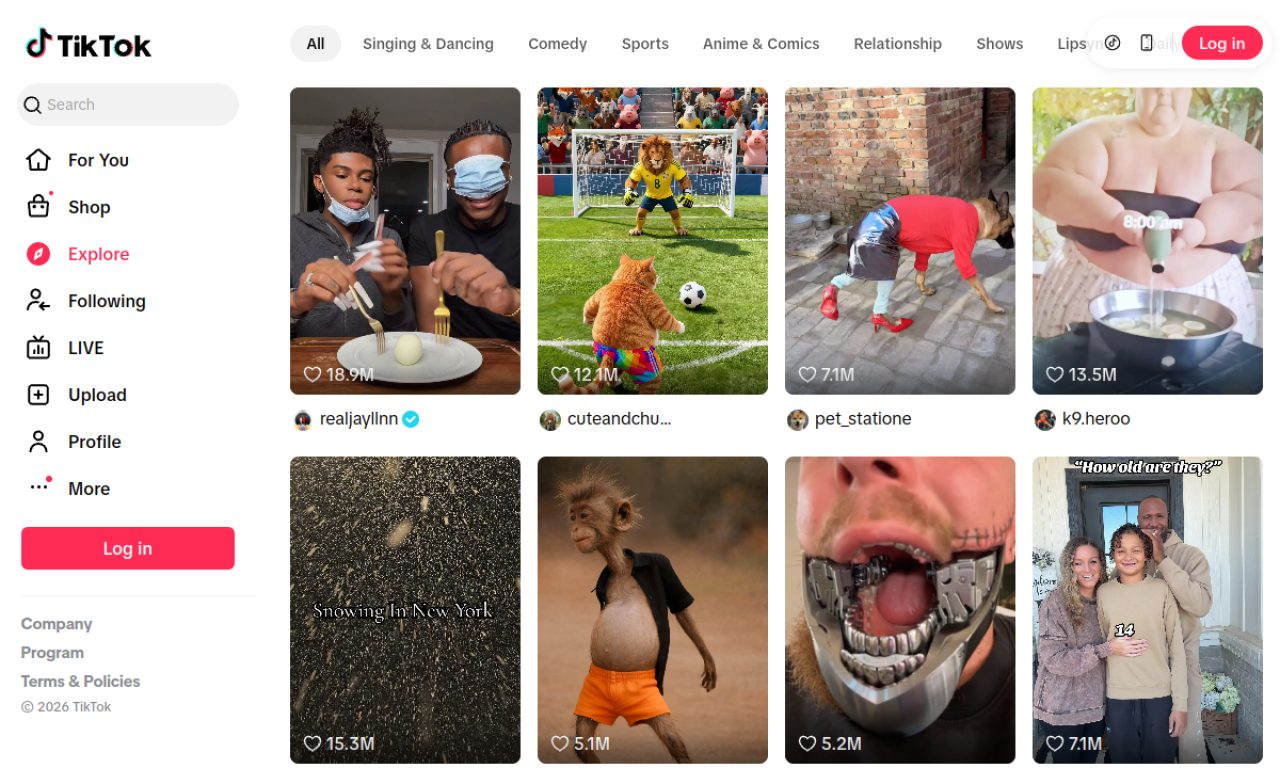
TikTok is a short-form video platform that has fundamentally shifted how people consume and create video content. The app allows users to record, edit, and publish videos up to 10 minutes long with an integrated suite of tools including filters, effects, transitions, and a massive licensed music library. The real power of TikTok lies in its recommendation algorithm, which bypasses traditional follower-based feeds and surfaces content based on engagement patterns, watch time, and user behavior—meaning a first-time creator can achieve viral reach without an existing audience. The platform provides creators with built-in analytics dashboards, duet/stitch features for collaborative content, and live streaming capabilities. While positioned as entertainment-first, TikTok has evolved into a significant marketing and discovery channel where brands, educators, and businesses reach audiences with higher engagement rates than traditional social platforms.
AI analysis from Feb 23, 2026
Key Features
- Built-in video editor with filters, effects, transitions, and text overlays integrated directly into the camera
- Licensed music and sound library with millions of tracks for audio content creation
- Duet and Stitch features enabling collaborative and reactive content creation between creators
- Live streaming capabilities with real-time audience interaction, gifts, and monetization
- Creator analytics dashboard showing video performance, audience demographics, and engagement metrics
- TikTok Shop integration for direct product listings and sales within the app
- Hashtag and trend discovery tools showing viral sounds and challenges in real-time
- Green screen effects, voice effects, and advanced editing tools for sophisticated content creation
Use Cases
- 1Personal content creators building an audience and monetizing through brand deals, sponsorships, or the Creator Fund
- 2Small businesses and e-commerce brands showcasing products, running viral marketing campaigns, and driving traffic to storefronts
- 3Educational content creators teaching skills, languages, or niche knowledge through entertaining short-form videos
- 4Musicians, artists, and performers gaining exposure and building fan bases through music content and creative showcases
- 5Marketers and agencies running paid advertising campaigns and influencer partnerships to reach Gen Z and younger millennial demographics
- 6Nonprofits and advocacy organizations spreading awareness about causes through trend-jacking and community engagement
- 7News outlets and journalists breaking stories and reaching younger audiences with current events coverage
Pros & Cons
Advantages
- Unmatched discoverability through algorithmic feed—new creators can achieve massive reach without followers, unlike Instagram or YouTube
- Rich built-in creation tools reduce friction; users don't need external editing software, making content creation accessible to non-professionals
- Extremely high user engagement rates compared to other social platforms; watch time and interaction metrics consistently outperform competitors
- Diverse content ecosystem supports entertainment, education, commerce, and advocacy, making it viable across multiple industries and use cases
- Strong monetization pathways including Creator Fund, live gifts, brand partnerships, and affiliate opportunities for successful creators
Limitations
- Algorithmic opacity makes growth unpredictable and inconsistent; content performance is difficult to strategically plan compared to platforms with follower-based distribution
- Heavy algorithmic reliance means viral success is often ephemeral; organic reach can drop dramatically if the algorithm deprioritizes content without clear reasoning
- Platform is heavily youth-focused (Gen Z and younger millennials); reaching older demographics is significantly more difficult than on Facebook or LinkedIn
- Content longevity is poor—videos quickly get buried in feeds, making TikTok less suitable for evergreen educational or reference content
- Geopolitical and regulatory uncertainty surrounding TikTok's data practices and potential bans in certain countries creates risk for creators and businesses building long-term strategies
- Limited direct commerce features compared to Instagram Shop or YouTube Shopping; conversion to sales requires external links and additional friction
Pricing Details
TikTok is free to download and use for all basic features including video creation, posting, and consumption. Monetization opportunities for creators are available through the Creator Fund (revenue share), live gift donations, brand partnerships, and affiliate marketing—though Creator Fund payouts are typically low ($0.02-$0.04 per 1,000 views). Verified creators can access additional monetization tools. Paid advertising is available for businesses and marketers through TikTok Ads Manager with customizable budgets. No premium subscription tier is publicly listed, though some in-app purchases exist for virtual gifts during live streams.
Who is this for?
TikTok is best suited for content creators aged 13-40 seeking to build audiences and monetize content, particularly those targeting Gen Z audiences. Small-to-mid-size e-commerce businesses, direct-to-consumer (DTC) brands, and performance-driven marketers benefit from the platform's advertising capabilities. Educators, entertainers, musicians, and thought leaders can leverage it for reach and engagement. Less ideal for B2B companies, professional services, and enterprises targeting executives or older demographics—though B2B creators and niche professionals are increasingly successful by building communities around expertise.